Building Community in North Berkshire
Our vision is to be a catalyst for a healthy, empowered, and engaged community.
Who We Serve
COMMUNITY
nbCC promotes dialogue about emerging community issues, offers recovery peer support and works to keep the community informed about local resources through our newsletters and resource guides. One of our strengths is bringing people together to work together towards a common goal, get to know their neighbors, value our community, or just to have fun!
PARENTS & CAREGIVERS
nbCC is committed to support families with children 0-18 in north Berkshire. We strive to create a safe and welcoming space for parents and guardians to find information, resources, and support to help them address the needs and concerns they have and help them meet the demands of parenting children today. We offer support services, skill building workshops, support groups, family fun events and more.
YOUTH
nbCC brings together diverse groups of youth through initiatives that allow them to express themselves while empowering them to make their own, healthy decisions, become engaged in their communities, and become leaders their own lives. We provide a safe space for local youth to realize the wide array of attributes they possess, and empower them to build on these strengths and connect with their community.

FAMILY SUPPORT & NEIGHBORHOOD DEVELOPMENT
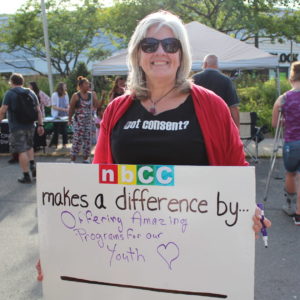
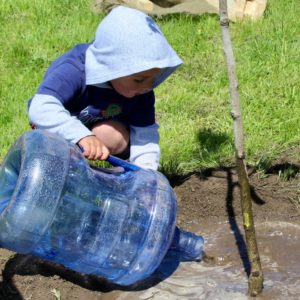
We provide families within our community the resources, activities, and group support needed to maintain a strong and resilient family and to develop stronger skills to become the best parent they can be for their children.
YOUTH DEVELOPMENT
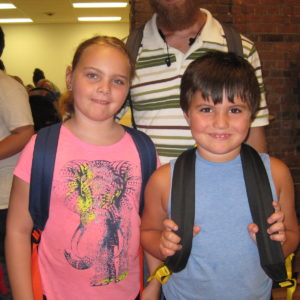
We actively work to build a positive youth development culture. We support youth to grow and realize their full potential, while also supporting those who work with youth through networking and training efforts.
HEALTH & WELLNESS
We support environmental changes in our community to make healthy eating and active, healthy living the easy choice change for good habits that last a lifetime. We promote healthier lifestyles, one person at a time, and create opportunities for people to improve their lives through exercise, healthy eating, and connection to community.
CONVENE & CONNECT COMMUNITY
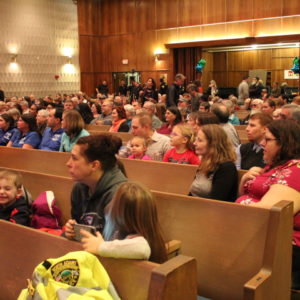
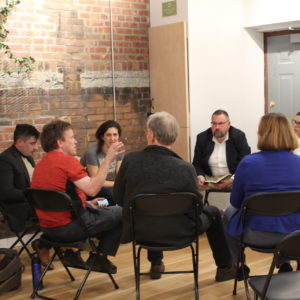
We facilitate community conversations to resolve local concerns through our monthly forums, workgroups, and other collaborations. Our resource guides and newsletters keep our residents connected to local service agencies. We also bring residents together to celebrate those who work to make our community better, or just to have fun!
SUBSTANCE USE PREVENTION
We engage and educate the community to help prevent underage use of alcohol, marijuana, and illegal drugs. We promote education about the consequences of substance misuse and harm reduction services.
LEADERSHIP DEVELOPMENT
We train both adults and youth to be leaders within their community to build capacity to make positive change in our region.